For years, fast food expansion stories have mostly followed the same direction: American brands spreading across the world. But every so often, the direction flips. Hungry Lion—a fast-growing quick-service chicken brand known for its strong presence in Africa—is now making its long-awaited entry into the United States.
It’s a bold move. The US fast food market is one of the most competitive in the world, dominated by giants like McDonald’s, KFC, Chick-fil-A, and Popeyes. So for a relatively lesser-known international brand, stepping into this space isn’t just expansion—it’s a statement.
A brand built on speed, value, and simplicity
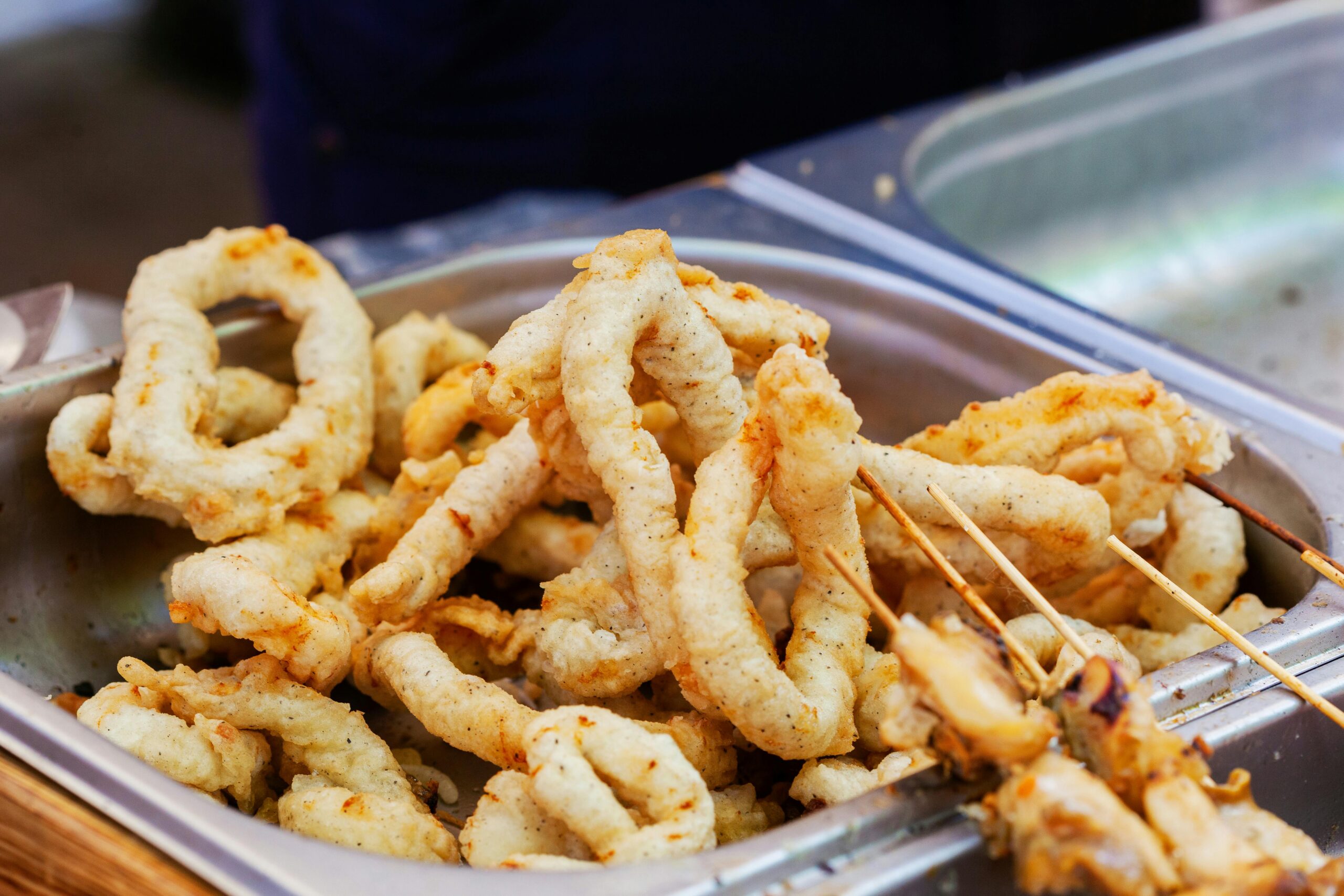
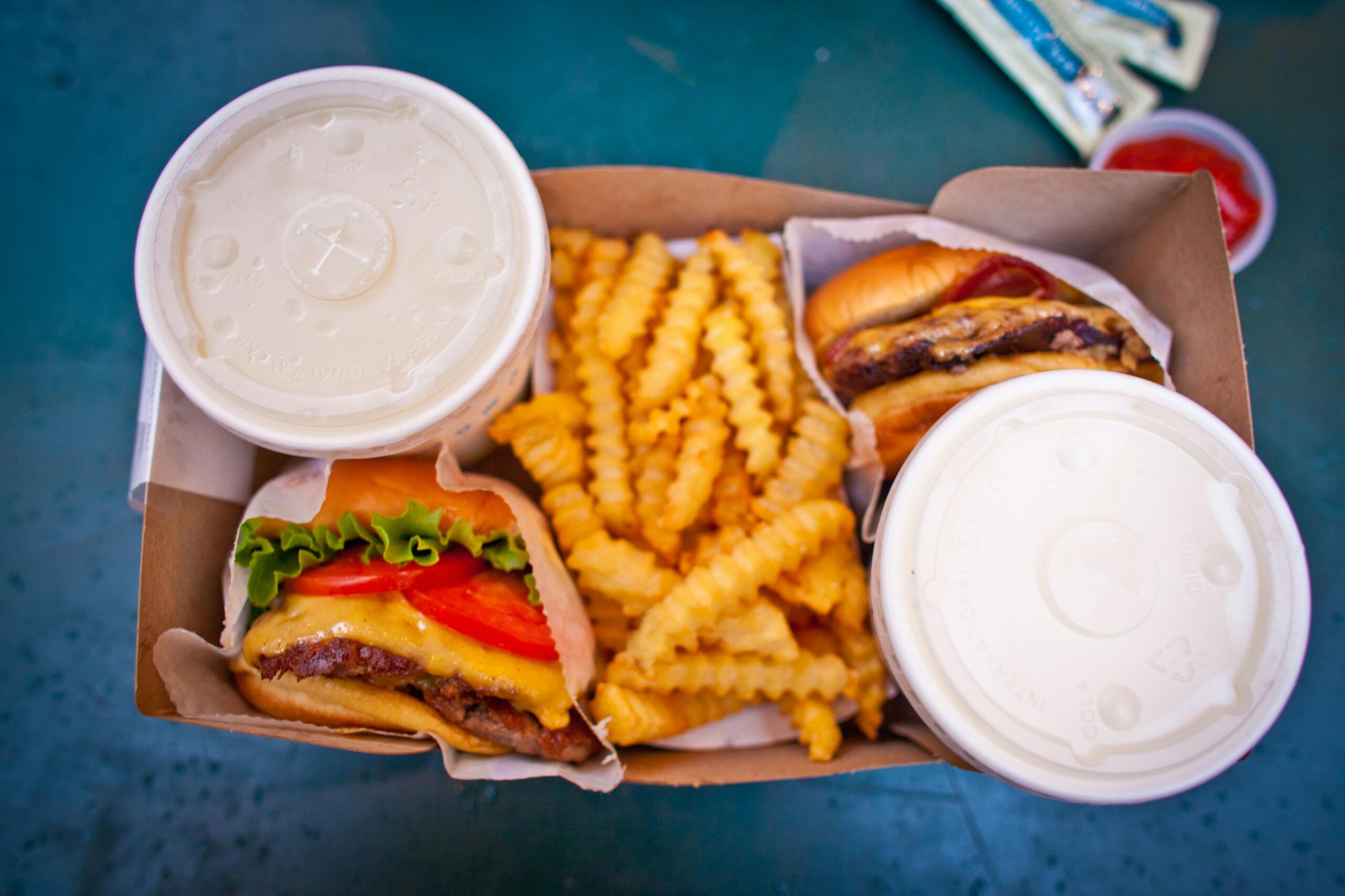
Hungry Lion has built its reputation on straightforward fast food done efficiently. The menu is typically centered around fried chicken, burgers, fries, and value meals designed to be affordable without feeling stripped down.
That simplicity is part of its strength. While many brands expand menus endlessly, Hungry Lion’s approach has often been to focus on doing a smaller range of items consistently well—fast service, bold flavors, and accessible pricing.
Why the US matters
Entering the US isn’t just about geography—it’s about validation. The American fast food market often sets global trends, from menu innovation to branding strategies. If a brand succeeds there, it gains a level of credibility that resonates internationally.
But the challenge is equally significant. US consumers are highly familiar with chicken-based fast food. Competing on taste alone is not enough. Brands need identity, experience, and differentiation.
So the question becomes: what does Hungry Lion bring that’s new?
The positioning challenge
Hungry Lion’s potential advantage lies in its international identity and value-driven model. In a market where fast food prices have steadily increased, affordability combined with consistency could be a strong entry point.
However, success won’t depend only on pricing. It will depend on how well the brand adapts to local expectations—portion sizes, seasoning profiles, service style, and even marketing tone.
And of course, whether it can convince customers to try something unfamiliar when they already have established favorites just down the street.
Competition in a crowded space
The chicken segment in the US is particularly intense. Chains like Chick-fil-A and Popeyes have built extremely loyal followings, while regional brands continue to thrive with strong local identities.
In that environment, Hungry Lion isn’t just opening restaurants—it’s entering an ongoing food culture conversation. And in the US, food culture is deeply tied to habit. People don’t just buy meals; they buy routines.
Breaking into that requires more than novelty. It requires staying power.
Opportunity in a saturated market
At the same time, saturation can create opportunity. Consumers are always open to alternatives, especially if they offer better value or a slightly different experience. New entrants often succeed not by replacing existing brands, but by carving out their own niche.
If Hungry Lion can position itself clearly—whether as the best value chicken option or a distinct flavor profile in the market—it may find space to grow.
Final thoughts
Hungry Lion’s entry into the US is more than just another fast food expansion story. It’s a test of how far international quick-service brands can go in one of the most competitive food markets in the world.
The path won’t be easy. But if it manages to balance affordability, consistency, and local adaptation, it could turn from an unfamiliar name into a serious contender.
For now, though, it’s just the beginning—and the US fast food scene just got a little more interesting.